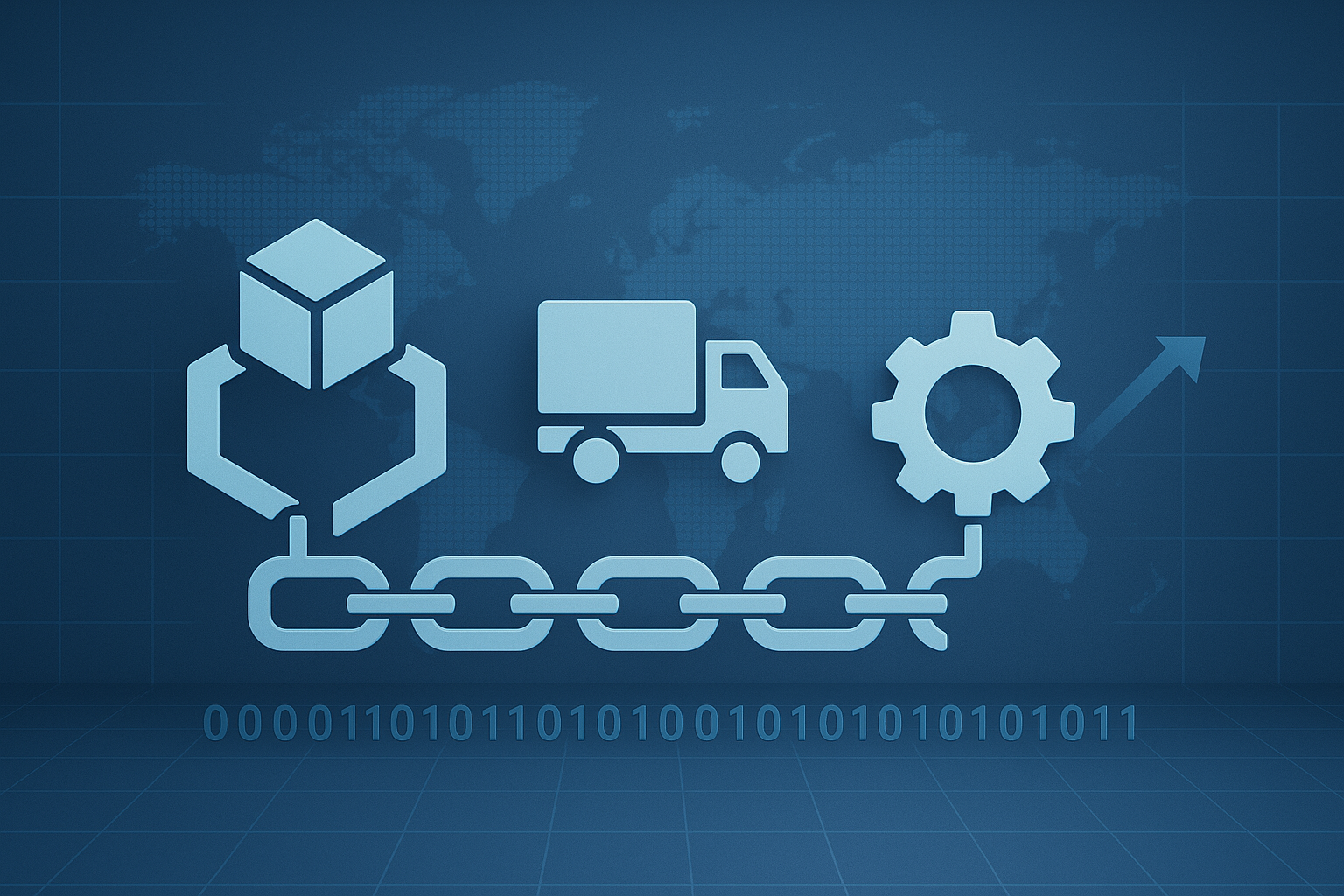
Revolutionizing Trust and Efficiency
Introduction
The global supply chain—an intricate web connecting producers, suppliers, manufacturers, and consumers—has long been plagued by inefficiencies, fraud, lack of visibility, and delayed logistics. In the wake of growing consumer demand for accountability and rising complexities in global trade, traditional supply chain systems are no longer sufficient.
Enter blockchain technology. Originally devised as the underlying infrastructure for cryptocurrencies, blockchain has rapidly evolved into a powerful tool for various industries—none more so than the supply chain. For companies like Savings UK Ltd, which monitors technological trends impacting investment decisions, blockchain in supply chain represents a critical intersection of innovation, transparency, and decentralization.
This article explores how blockchain is transforming supply chains through improved traceability, smarter logistics, enforceable smart contracts, and the shift toward decentralized systems—all of which are reshaping global commerce.
Understanding Blockchain and Its Relevance to Supply Chains
At its core, blockchain is a decentralized digital ledger that records transactions across multiple computers in a secure and tamper-proof manner. Every entry, or “block,” is cryptographically linked to the previous one, creating a transparent and immutable history of activity.
In supply chain management, blockchain offers:
-
Transparency across the entire logistics network
-
Traceability of products from origin to end-user
-
Real-time updates and verifications
-
Reduced reliance on intermediaries through smart contracts
These attributes make blockchain an ideal tool for solving the long-standing problems of trust, accountability, and inefficiency in global supply chains.
Transparency: The Foundation of Modern Trust
In traditional supply chains, stakeholders often operate in silos with limited access to shared information. This opacity allows for human errors, data manipulation, unethical sourcing, and counterfeiting—problems that cost businesses billions annually.
Blockchain introduces radical transparency. Every transaction or movement of goods is recorded on a shared ledger accessible to all authorized parties. This creates a single source of truth, enhancing visibility across every tier of the supply chain.
For instance:
-
Retailers can verify the origin and authenticity of products
-
Regulators can ensure compliance with import/export standards
-
Consumers can trace the ethical and environmental footprint of their purchases
Savings UK Ltd believes that businesses investing in transparent supply chains are not only safeguarding their reputation but also enhancing long-term value creation. As environmental, social, and governance (ESG) metrics grow in importance, blockchain-driven transparency is becoming a competitive advantage.
Traceability: From Source to Shelf
Global supply chains stretch across continents, often involving dozens of suppliers and handlers. Without effective tracking systems, it becomes challenging to pinpoint the source of defects, delays, or disruptions.
Blockchain enables end-to-end traceability, recording every handover, temperature log, or location update in real time. This creates a digital passport for products, ensuring:
-
Accurate recall management in case of defective or contaminated goods
-
Verification of fair trade or organic certifications
-
Enforcement of anti-counterfeiting measures for luxury goods and pharmaceuticals
A compelling example is the use of blockchain in the food industry. Major retailers like Walmart have implemented blockchain to trace mangoes or leafy greens from farm to shelf within seconds—compared to days using traditional systems.
This kind of granular traceability protects brands and consumers alike. It also fosters responsible sourcing, which aligns with Savings UK Ltd’s investment philosophy that prioritizes ethical and sustainable practices.
Revolutionizing Logistics Through Real-Time Insights
Logistics—the heartbeat of any supply chain—relies on coordination, timing, and data. Delays, miscommunications, and document discrepancies create friction that slows down trade and increases costs.
Blockchain streamlines logistics by:
-
Automating customs declarations and freight documentation
-
Recording real-time updates on shipment status
-
Synchronizing supply chain participants through shared ledgers
Through IoT (Internet of Things) integration, blockchain can record environmental conditions (e.g., temperature, humidity) during transport and instantly flag deviations. This is especially crucial for perishable goods, vaccines, and sensitive electronics.
Furthermore, blockchain improves accountability in last-mile delivery by verifying drop-off times and recipient signatures. This reduces disputes, theft, and fraud.
For global investment entities like Savings UK Ltd, enhanced logistics visibility not only mitigates operational risk but also boosts investor confidence in supply chain resilience—especially during crises like pandemics or geopolitical disruptions.
Smart Contracts: Automating Trust and Execution
One of blockchain’s most transformative features is the use of smart contracts—self-executing agreements that trigger actions once pre-defined conditions are met.
In supply chains, smart contracts can automate:
-
Payments upon delivery verification
-
Release of goods after inspection
-
Penalties for delays or non-compliance
These programmable agreements eliminate the need for third-party enforcement, reducing transaction costs and delays.
Consider a scenario: a coffee exporter in Colombia ships a container to a buyer in the UK. A smart contract could automatically release payment when the shipment is scanned at the port of arrival and matches quality standards recorded on the blockchain.
By ensuring automated, tamper-proof execution, smart contracts minimize disputes and enhance operational efficiency. For investors and stakeholders, this means faster cash flows, lower litigation risk, and scalable business models.
Savings UK Ltd sees smart contracts as a critical pillar in the future of finance and trade—enabling frictionless collaboration across borders and sectors.
Decentralization: Rethinking Control and Collaboration
Traditional supply chains are managed by central authorities—corporate headquarters, government agencies, or logistics conglomerates. While this model has worked for decades, it also introduces vulnerabilities: single points of failure, bottlenecks, and uneven power dynamics.
Blockchain offers a decentralized alternative. By distributing control across participants, it empowers smaller players, improves system robustness, and fosters trust among unacquainted parties.
Decentralization in supply chains means:
-
Farmers in developing countries can directly connect with global buyers
-
SMEs can compete more fairly with large corporations
-
Data ownership remains with contributors, reducing exploitation
This rebalancing of power is vital in building more inclusive and resilient global trade networks. Savings UK Ltd supports investment in decentralized platforms that foster collaboration, innovation, and shared value creation.
Challenges and Road Ahead
While the benefits of blockchain in supply chains are compelling, implementation is not without challenges:
-
Scalability: Handling thousands of transactions per second remains a technical hurdle
-
Interoperability: Integration with legacy systems and other blockchains can be complex
-
Standardization: Lack of universal data and process standards hampers adoption
-
Regulation: Unclear legal frameworks around digital records and smart contracts
To overcome these issues, collaboration between governments, tech providers, and industry bodies is crucial. Initiatives like the Global Blockchain Business Council (GBBC) and World Economic Forum’s TradeTech Initiative are paving the way for harmonized adoption.
Savings UK Ltd encourages its partners and clients to take a long-term view. Early adoption of blockchain in supply chains not only prepares businesses for future regulations and market demands but also opens new investment opportunities in logistics tech, agri-tech, and sustainable trade infrastructure.
Conclusion
The supply chain is undergoing a profound transformation. With blockchain, companies can now achieve unprecedented levels of transparency, traceability, and efficiency. From smart contracts that automate transactions to decentralized networks that democratize participation, the potential is vast.
For stakeholders across industries—from producers and manufacturers to retailers and investors—blockchain provides the tools to build supply chains that are not just faster and cheaper, but also fairer, more accountable, and future-ready.
At Savings UK Ltd, we believe blockchain will define the next decade of trade and logistics. As we continue to identify and support technological innovations that shape the global economy, our focus remains on sustainable, compliant, and value-driven investment strategies that align with the digital transformation of global commerce.